//
For internal use only
Not On Display
Textile fragment
601-700
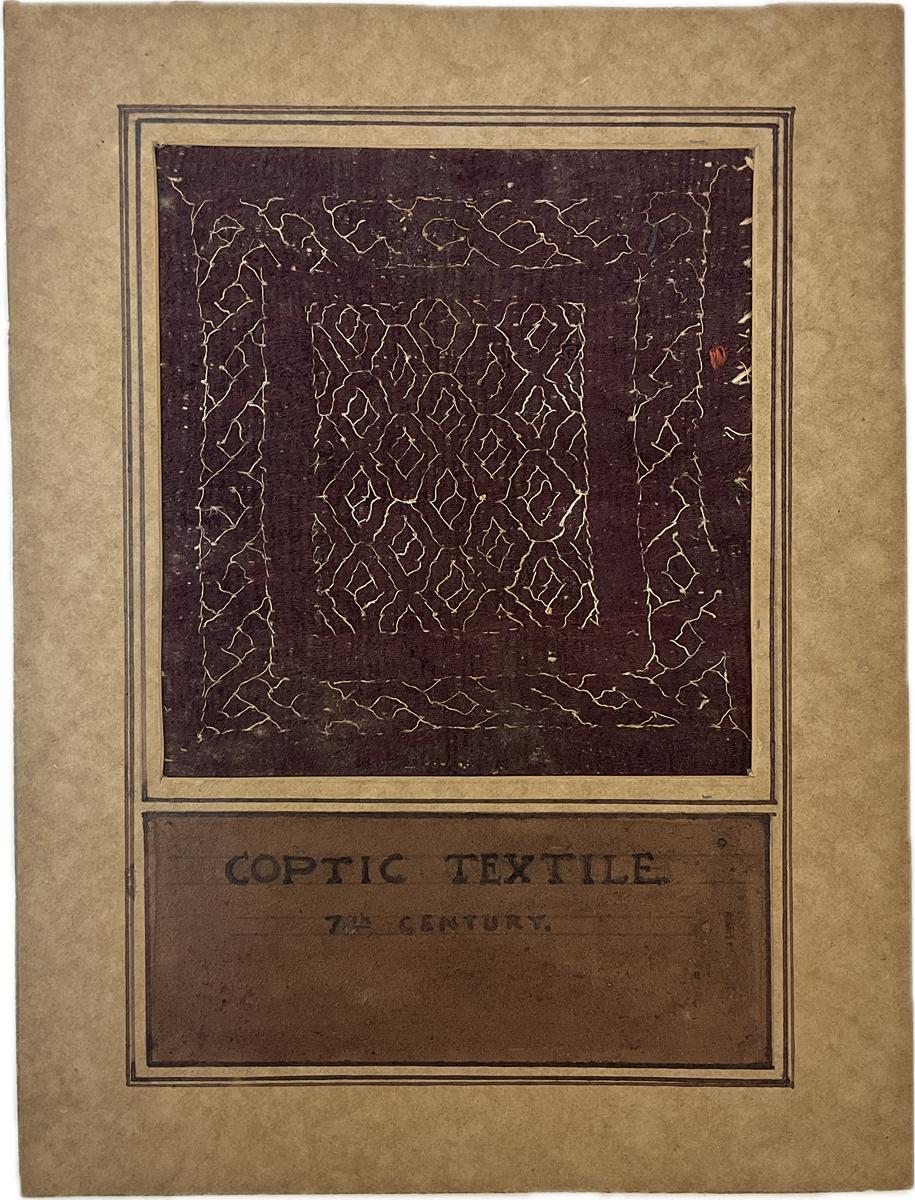
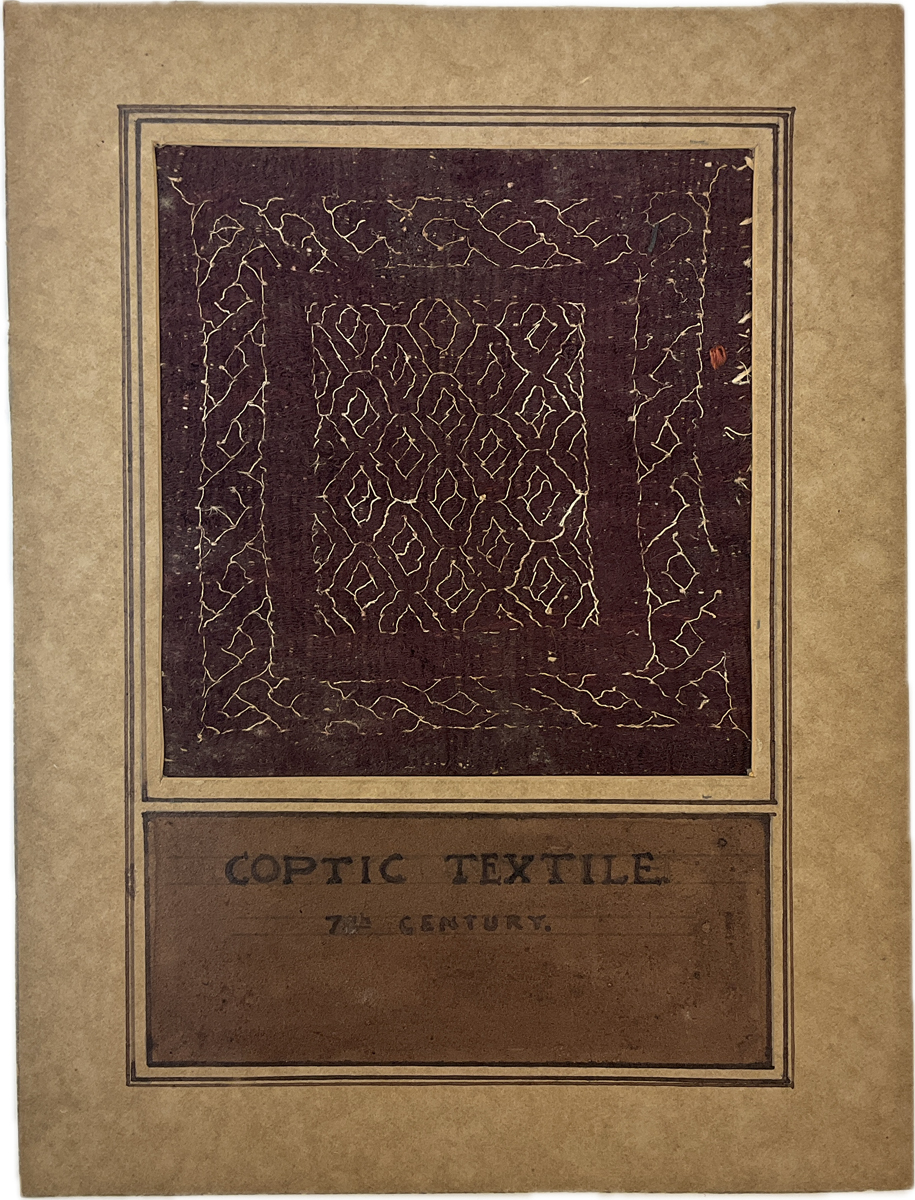
Description
This textile fragment, woven in Egypt, may date to the 7th century. It is an example of a coptic textile, made by Egyptian Christians known as Copts. This fragment is a weft-faced plain weave with an undyed linen warp and maroon wool weft. It has a geometric design embroidered with undyed linen yarn. This object is one of a large group transferred to Winterthur from the American Textile History Museum when it closed in 2017. This textile was reportedly purchased in Cairo, Egypt by a collector in 1910, then sold to Massachusetts mill owner Samuel Dale Stevens in 1920. It was donated to the American Textile History Museum in 1967.
Category
Textiles
Place of Origin
Egypt; Africa
Materials
- Linen
- Wool
Museum Object Number
2017.0019.005
Credit Line/Donor
American Textile History Museum Collection, gift of Mrs. Abbot Stevens
Share Object
Complete Details
Object Number
2017.0019.005
Object Name
Textile fragment
Category
Textiles - American Textile History Museum Collection
Place of Origin
Egypt; Africa
Date
601-700
Materials
- Linen
- Wool
Techniques
- Woven (plain)
- Embroidered
Dimensions (inches)
4.13 (W) x 4.13 (L)
Dimensions (centimeters)
10.49 (W) x 10.49 (L)
Measurement Notes
Measurements above are for the textile itself. The paper frame it is in measures 5.5 inches wide by 7.5 inches long.